
What are the signs and symptoms of spinal cord injury?
Author: SCIRE Community Team | Reviewers: Shannon Sproule , Tova Plashkes , Amrit Dhaliwal | Published: 17 February 2017 | Updated: 26 March 2024
Spinal cord injury can cause a wide range of different signs and symptoms. The effects of the injury can be very different from one person to the next, depending on the person and the characteristics of the injury. Symptoms can be temporary or permanent and may change over time.
The earliest period after a spinal cord injury often involves a phase of shock. This is usually a temporary period that resolves after a few days or weeks.
Early symptoms of spinal cord injury
Spinal shock
happens right after injury and causes the muscles below the injury to be floppy and unmoving (called
flaccid paralysis
). This happens because the spinal reflexes below the injury are temporarily impaired in response to the injury. Spinal shock often happens together with neurogenic shock.
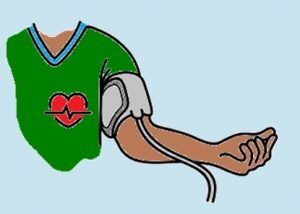
Neurogenic shock is when low blood pressure, slow heart rate, and low body temperature happen early after SCI because of how the injury affects the autonomic nervous system. Neurogenic shock typically affects people with cervical or upper thoracic injuries. If severe and untreated, neurogenic shock can be life-threatening.
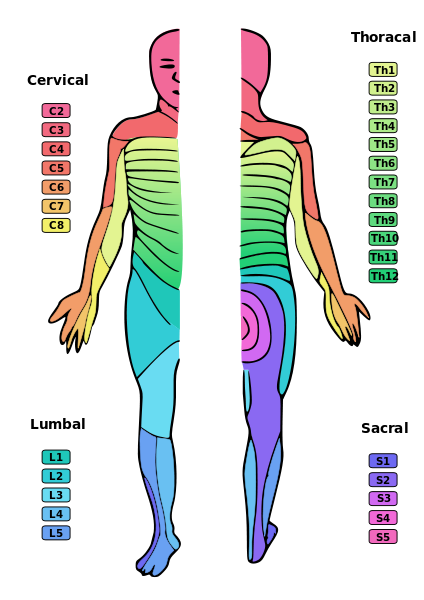
Each level of the spinal cord provides sensation to a different part of the body.4
After shock resolves, the longer-lasting symptoms of spinal cord injury may be experienced. These may include the following symptoms.
Changes in sensation
Changes in sensation occur below the spinal cord injury. This may include total or partial loss of sensation as well as abnormal sensations like tingling, numbness, or pain.
The amount of sensation affected depends on whether the injury is complete or incomplete and the level of the injury. Each level of injury causes changes to the sensation in a specific area of the body. For example, an injury at C3 affects sensation from the neck down, whereas an injury at L1 affects sensation of the legs and groin.
People with incomplete spinal cord injuries may have only parts of their sensation below the injury affected. Those with complete injuries may also have some sensation in select areas below the injury, which are called zones of partial preservation.
Pain below the injury
Pain originating from the spinal cord injury is called neuropathic pain. It can be felt in areas at or below the injury, even if sensation is not present, and is an especially distressing symptom for many people.
Changes in strength and muscle control
Changes to the strength and control of the muscles also happens below the injury. This can include both paralysis (loss of movement) and weakness of the muscles.
The amount of strength and movement affected depends on whether the injury is complete or incomplete and the level of injury. Each level of injury affects specific muscles. For example, an injury at C3 can cause paralysis from the neck down, whereas an injury at L1 can cause paralysis of the hips and legs.
People with incomplete injuries may have strength in some of the muscles below the injury.
Spasticity
Spasticity is a common symptom of spinal cord injury. It involves muscle spasms, muscle tightness or tension, involuntary jerking movements, and overactive reflexes below the injury.
Changes in breathing
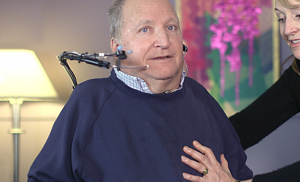
Some people with SCI need help with breathing and coughing.5
People who have cervical and thoracic spinal cord injuries may experience problems with breathing. This is because the diaphragm (the main muscle of breathing), as well as the muscles of the neck, chest, and abdomen are needed to breathe and cough normally. This can affect the ability to breathe, cough, and clear mucus from the lungs without assistance.
Injuries at C5 and above affect the diaphragm and sometimes people with injuries at these levels cannot breathe long-term without the support of a ventilator or other device. People with lower cervical and thoracic injuries may also experience problems breathing because they cannot control other important muscles of the neck and rib cage that help with breathing and coughing.
Changes in bladder function
There are a number of changes to bladder function after spinal cord injury, including inability to control urination. Many people will use catheters and other treatments to control their bladder functions after spinal cord injury, which may predispose them to developing urinary tract infections if not done carefully.
Changes in bowel function

Bowel problems are also common after spinal cord injury and can include an inability to control bowel functions (bowel incontinence), constipation, and other problems. Many people use a personalized bowel routine, which is a schedule that keeps bowels moving at a regular rate (using special foods or supplements), to maintain healthy bowel function after spinal cord injury.
Changes in control of blood pressure and heart rate
The autonomic nervous system is part of the nervous system that controls the unconscious functions of the internal organs like the heart and circulation (blood vessels). Spinal cord injury can cause changes to how the autonomic nervous system functions, which may alter the body’s ability to control blood pressure, temperature, and heart rate, as well as cause conditions like orthostatic hypotension (a sudden drop in blood pressure when moving into an upright position) and autonomic dysreflexia.
Autonomic dysreflexia
Autonomic dysreflexia is a potentially dangerous, sudden increase in blood pressure that can happen in in people with injuries at T6 and above. It can cause symptoms like headaches, sweating, and flushing. Autonomic dysreflexia is a medical emergency.
Changes in sexual function
Changes in sexual function are also common after spinal cord injury. This may include difficulties with orgasm, ejaculation, and erection. These changes depend on the individual and their particular injury.