
What are the signs and symptoms of depression?
Author: SCIRE Community Team | Reviewer: Brad Hallam | Published: 7 October 2017 | Updated: 17 June 2020
The main symptoms of depression are a depressed mood and/or a loss of interest or pleasure in activities. Other symptoms may include some or all of these physical, emotional and cognitive (thinking) symptoms:
Physical Symptoms:
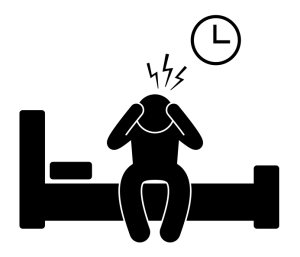
-
- Changes in weight or appetite
- Changes in sleep – either sleeping too much or too little
- Moving or speaking slowly, or being fidgety and restless
- Feeling tired or low energy
Emotional Symptoms:
-
- Feeling ‘down’, sad, or empty
- Feeling worthless, hopeless, or guilty
- Feeling irritable or angry
Cognitive (Thinking) Symptoms:
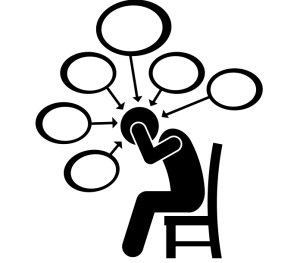
-
- Trouble concentrating or making decisions
- Thinking about death or suicide
Symptoms have to last for at least two weeks and be severe enough to interfere with the person’s life to be diagnosed as depression.
How is depression different from other emotional responses to SCI?
It is common to feel strong emotions after experiencing a serious injury like an SCI. Feelings of sadness, anger, and grief are all common responses to SCI that do not necessarily mean that someone has depression.
Emotional responses like grief tend to go away over time while the symptoms of depression are persistent. People experiencing depression are also more likely to feel negatively about themselves, such as feeling worthless or guilty. They are also prone to dwelling on negative events from their past and present, and projecting negative outcomes in the future.
Depression affects everyone differently, so its exact symptoms will be different from person to person. Depression is not always easy to recognize. If you suspect that you or a loved one may have depression, it is important to speak to a healthcare provider for more information.