
How is a wheeled mobility device selected?
Author: Sharon Jang | Reviewer: Emma M. Smith | Published: 25 March 2020 | Updated: ~
Selecting a wheeled mobility device usually involves working together with your health team to find a device that fits best with your body, physical abilities, preferences, and lifestyle. Your source of funding is also an important factor, because mobility devices are often very expensive.
Your health team
Choosing a mobility device may involve working with several different health providers, which may include: occupational therapists, physiotherapists, equipment/assistive technology specialists, physicians, and sometimes equipment vendors like Durable Medical Equipment (DME) providers (people who sell medical equipment).
Assessment
A health history, physical examination, and interview will be completed to determine your functional abilities, wheelchair fit, and which device is most suitable for you. This will typically involve asking you questions about your health history, and lifestyle. In addition, your physical abilities and posture and alignment may be evaluated to determine which equipment will best suit your needs. Assessments may also involve special technologies for seating assessment, such as pressure mapping.
Factors to be considered
A wide range of factors must be considered when selecting a wheeled mobility device to ensure that it is safe and meets your needs. These factors may include:
Physical considerations
Physical considerations include your functional abilities (e.g., amount of arm/trunk control, strength, range of motion), body measurements (e.g., weight, height, and joint positioning).
Time since injury
Your potential for recovery, such as how long it has been since the injury and whether you are continuing to see improvements in function.
Medical considerations
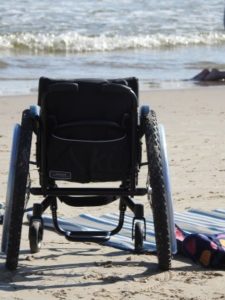
The activities you wish to do in your wheelchair influence the selection of your wheeled mobility device. 6
Other medical conditions that may affect your movement, positioning, and wheelchair use, including pressure injuries, spasticity, shoulder injuries, and pain.
Lifestyle considerations
Lifestyle considerations include how much time you will be spending in the chair each day, what activities you will be doing in your chair, whether you will need to get the chair in or out of your car, or if you will be using the chair for sport.
Environmental considerations
Your home and work environment need to be considered in regards to what kind of mobility device is best for you. Some considerations include whether the location is carpeted, obstacles and barriers in the built environment, and the amount of space available for you to maneuver in.
Caregiver considerations
Will other people in your life who may provide assistance to you, such as paid caregivers, family members, or health providers be helping you push the mobility device? Will they help with folding it up?
Funding considerations
Your funding, such as whether you have medical coverage and insurance to reimburse the costs of equipment.
Your personal preference
It is also important to consider your preferences in device selection!
Your mobility needs may change over timeIt is important to consider that your mobility needs may change over time. For example, changes that affect your functional status, the development of new medical conditions or the development of new technologies may result in a need to reassess your changing needs over time. Regular check-ins with your health team are an important part to take into consideration how your needs may change over time. |