
Air travel: Before the flight
Authors: Sharon Jang , Dominik Zbogar | Reviewers: Duncan Campbell , Janice Eng | Published: 16 November 2022 | Updated: ~
Flying with an SCI requires special consideration at each step, from booking the flight, to getting on the plane, to getting off the plane. Below we review the process and considerations in each step of flying.
Contact the airline
The airline will always have the best, most up to date information.
Contact them well in advance to ask about their services and ensure they can arrange appropriate staff and equipment to assist you. Some questions to ask the airline include:
- Policy on attendants – some airlines will offer free or discounted flights for attendants. Note, some airlines may require a doctor’s note or pre-registration with the airline medical desk.
- Policy for baggage – with some airlines, luggage that consists of mostly medically necessary items will not be charged a baggage fee.
- Whether or not they can accommodate your wheelchair – does your wheelchair have a battery? If so, is it allowed on the airline? Will your wheelchair fit through the cargo door?
Booking the flight
Connecting flights
When booking flights, consider the length of the flight and whether having connections would be a benefit or hinderance for you. If you are unable to sit for long periods of time, you may want to consider travelling to a destination with a shorter flight time, or one with more connections. Having connections in your travel may allow you to use the washroom and change positions to relieve soreness/pressure, which can improve your overall comfort when travelling. If you do select to travel with connections, keep in mind the time required to get from one gate to another in a wheelchair, while also requiring time for comfort after a flight. In general, the time required to make a connecting flight should be double the time suggested for able bodied individuals. For longer over-seas flights, consider breaking up your travel into multiple days – try finding a connection in a city you’d like to visit! Although connections have their benefits, they can also lead to some issues, such as getting your equipment/luggage lost or damaged.
Choosing a seat
Similar to connecting flights, the various seat selections on a plane each have their pros and cons, and is based on preference. Some individuals may prefer a window seat as other passengers will not have to climb over you as much. In addition, the window seat may provide some privacy for personal care tasks such as emptying a catheter bag. However, wheelchair users from one study reported that window seats may require a more difficult transfer that can lead to pain, and makes accessing the toilet more difficult should you choose to use one. This is why other individuals may prefer sitting in aisle seats, as they are easier to transfer into and access the washroom (no passenger to climb over), but you may have other passengers needing to get by you. If you are worried about the transfer, around 50% of armrests on a plane are designed to lift up to facilitate transfers. Ask your airline about this if you are interested in a window seat!
The amount of space a seat on a plane has is another consideration. Seats on some airlines can be small and cramped. This may lead to discomfort and decreased circulation. In combination with sitting for long periods of time, decreased blood circulation may increase the risk for swelling, especially in the legs. If you can afford it, some wheelchair users from an interview study preferred seats in business class, as there was more space for them to move around and seats were able to recline enough to help maintain posture and weight shift. The seats at the front of each section (bulkhead seats) may be ideal for some as they offer more legroom and space to transfer, but they are also harder to transfer into as the armrests do not lift up, and there is no accessible spot to store a carry-on bag.
Dressing for a flight
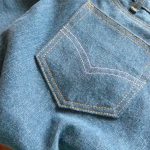
Avoid wearing denim as the pockets may dig into the skin after sitting for long periods of time.
On the day of your flight, try to wear comfortable clothing. Avoid clothing that have back pockets (such as jeans) as they may lead to pressure sores. In addition, avoid clothing that is restrictive. However, do consider wearing compression socks to help with swelling if this is something you experience.