
What testing is done in rehabilitation?
Author: SCIRE Community Team | Reviewer: Shannon Sproule | Published: 25 September 2017 | Updated: ~
The SCI and most other early medical problems are typically diagnosed and treated in the acute care hospital before rehabilitation. However, medical testing and imaging may also be done during rehabilitation to monitor healing and to diagnose any new health problems. Testing done in rehabilitation may include:
- The International Standards for Neurological Classification of Spinal Cord Injury exam (or ASIA Exam) is often done at several points during rehabilitation to monitor recovery.
- Physical testing includes testing for important specific physical levels related to function and independence. For example, assessing strength (more than AIS exam does), bladder control (such as residual volumes), and pain (visual analog scale). Many specific outcome measures are used.
- Outcome measures are special tests that measure progress or change in a particular area. These tests may involve verbal or written questionnaires and tests of physical function (like walking for a set length of time or wheelchair skills) or Psychological adjustments (like quality of life measures). Common tests include the Functional Independence Measure and the Spinal Cord Independence Measure. These tests are often repeated multiple times, which is an important way of measuring progress over time.
Medical testing and imaging
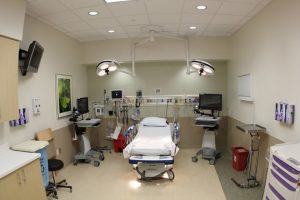
After being treated for acute medical conditions in the emergency room, various assessments and medical tests may be performed.3
Most medical testing and imaging is done in the acute care hospital before rehabilitation. However, some of these tests may be done to monitor changes or if new health problems arise. These may include:
- X-rays
- Computed tomography (CT or CAT scan)
- Magnetic resonance imaging (MRI)
- Myelogram
- Electrophysiological testing
- Blood tests
