
What are the potential risks during pregnancy?
Author: Hannah Goodings | Reviewer: Frédérique Courtois | Published: 11 September 2023 | Updated: ~
Women with SCI are able to have healthy pregnancies and births. However, these pregnancies are often considered high risk due to the added SCI related risks during pregnancy. These include:
Bladder and Bowel
Urinary Tract Infections (UTI)
UTIs are a common issue after SCI and may require antibiotic treatment. Pregnancy can reduce your mobility and put more pressure on your bladder, increasing the risk of incontinence and put you at higher risk of developing a UTI. Some women may choose to use an for all or the later portion of pregnancy to help with incontinence issues. Catheters can be useful for greater bladder control, but they also pose a risk for infection. Proper catheter hygiene and monitoring of symptoms is important to catch UTIs early.
Kidney Stones
Individuals with SCI are at higher risk of developing kidney stones due to incomplete bladder emptying, use of catheters, or neurogenic bladder conditions. During pregnancy, this risk increases due to decreased mobility and the potential for increased incontinence. If you experience fever, frequent UTI symptoms, or pain (though not all individuals with SCI will experience pain) consult your health care provider to determine the best course of action.
Autonomic Dysreflexia
Autonomic dysreflexia (AD) can be triggered by a full bladder or constipation. During pregnancy, the risk for bladder incontinence and constipation increases. This risk can be reduced with a schedule and tracking system for urinary and bowel movements. Speaking to a registered dietitian to adjust fiber intake or begin laxatives may also be helpful to decrease constipation risk.
Refer to our articles on Bladder Changes, UTIs, and Autonomic Dysreflexia for more information!
Spasticity

For some individuals, spasticity worsens during pregnancy. Medication use during pregnancy, particularly spasticity-reducing medication, should be discussed with a physician to keep both the mother and child safe.
| Some common medications, taken by individuals with SCI (for pain, spasticity etc.) may negatively affect the baby if taken during pregnancy. Consulting your family doctor to discuss medication options is crucial. |
Pressure Injuries
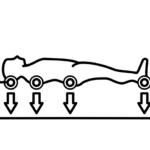
Reduced mobility and increased weight gain during pregnancy both play a role in the increased likelihood of pressure injuries developing. Regular pressure adjustments, skin assessments and chair fittings, completed by a seating specialist, should be done to avoid pressure injury complications during the pregnancy.
Refer to our articles on Spasticity and Pressure Sores for more information!
Mobility and Fatigue

Weight gain, increased abdominal pressure and increased spasticity during pregnancy can lead to decreased mobility and fatigue. Sleep quality is also commonly impacted by pregnancy and can worsen existing fatigue. This may result in needing help completing tasks that you have been independent in before pregnancy. It is important to pay attention to tasks you may need help with during pregnancy to ensure you have the correct supports in place.
Breathing
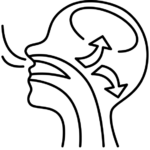
In women with higher SCIs, breathing issues may be present or worsen during pregnancy. Raising the upper body on pillows when lying down can help with breathing but regular checks should be done to prevent pressure sores or skin shearing in this position. Those with tetraplegia may be at increased risk of pneumonia. For those with a weak cough, there is an increased risk of aspiration if experiencing vomiting from morning sickness that may be reduced by side lying. Speaking to a physiotherapist about breathing exercises or modifications to assisted coughing may also be helpful to improve breathing.
Fetus Position
Fetal malpresentation, a condition where the fetus is not properly positioned, is more common in women with SCI due to decreased muscle tone within the abdominal wall. Routine ultrasounds should be conducted during pregnancy to check the fetus’ positioning to create a safe birth plan.
Pregnancy alters and stresses many systems in the body for both able-bodied women and women with SCI. Women with SCI have higher risks with the complications listed above and may need additional support to ensure healthy pregnancies. However, with the proper medical support, a successful and safe pregnancy can be achieved.
