
What can increase quality of life for people with SCI?
Author: Kelsey Zhao | Reviewer: Rachel Abel | Published: 26 February 2025 | Updated: ~
Employment
Numerous studies show that work is strongly related to higher QoL for people with SCI. This is true whether the person is working full-time, part-time, or in an unpaid position.
In a study that looked at the QoL of people with SCI in six different countries, employment was one of the only factors found to be associated with higher QoL regardless of location. One large study also found that satisfaction with life increased over time for people who were employed or students.
Is it hard to find suitable work with SCI?Differences in age, injury, work experience, and what is defined as work make it hard to pin down an exact number, but research estimates that about 35% of people with SCI are employed. The low rates of employment are likely due to a mix of personal and environmental factors. Physical and health limitationsAfter an SCI, job opportunities can be limited by physical impairments and health. For example, someone might not be able to return to the work they did before their injury because it is too physically demanding. Health complications related to SCI like pain and fatigue, and managing care routines can also limit energy and time, making it more difficult to work. Workplace environmentThat said, people with SCI are often underemployed even when they want to and are able to work. Finding suitable work can be difficult because of issues like lack of transportation, inaccessible workplaces, fear of losing financial or health benefits, and employer discrimination towards people with disabilities. This is extremely concerning because of the connection between work and QoL. There is evidence that workplace support and accommodations increase employment for people with physical disabilities. Local rehabilitation programs or SCI peer programs may have services to help people with SCI reach work and career goals. |
Community involvement
One study found that people with SCI felt they had a greater sense of community than the general population. Community involvement can include recreational activities, hobbies, and positions in community organizations and can contribute to a higher QoL.
Social support
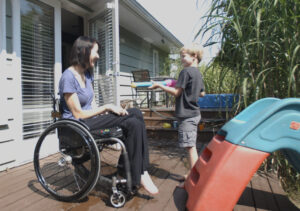
Social support refers to one’s relationships with other people, and the interactions, support, and care provided by this network of people, including family members, friends, and peer community. There is consistent evidence that more social support is linked to higher QoL in people with SCI.
Social interaction and participation in social activities are also linked to higher QoL. In some studies, it has the highest positive impact on life satisfaction of all factors. Marriage/having a partner is found to either improve or have no effect on QoL.
Independence
Independence in personal care and transportation is associated with higher QoL. One large study found that life satisfaction increased over the years for people with SCI who lived independently.
Psychological factors
Feeling like you have control over your life was related to higher QoL in several studies. Research has also shown strong associations between symptoms of depression and anxiety and lower quality of life. The connection between QoL and psychological factors highlight the importance of mental health support and treatment in SCI rehabilitation.
