
How is depression after SCI treated?
Author: SCIRE Community Team | Reviewer: Brad Hallam | Published: 7 October 2017 | Updated: 17 June 2020
There are many different ways of treating depression. The first treatments are usually counselling, talk therapies and antidepressant medications. Other treatments for depression may include exercise and other medical, alternative, and self-help therapies.
Counselling and Talk therapies
Counselling and talk therapies involve talking with a mental health provider such as a psychologist, counsellor, or social worker. There are many different types of talk therapies. Research done on depression after SCI has focused primarily on one type of therapy called cognitive behavioural therapy or CBT.
Cognitive behavioural therapy is a type of therapy that addresses how thoughts, feelings, and behaviours can contribute to mental health problems. It focuses on developing practical skills to help manage these conditions and can be done in many different formats, including one-to-one counselling, group therapy, and computer programs.
There is moderate evidence that cognitive behavioural therapy can help to improve depression symptoms after SCI. However, we do not know whether these effects last long-term.
Antidepressant medications

Antidepressant medications (antidepressants) are another common treatment option for depression. There is a wide range of different antidepressants that may be used. Some antidepressant medications can treat sleep, nerve pain and mood simultaneously, and these are often used in people with SCI. Antidepressants are prescribed by medical doctors.
The use of antidepressants to treat depression after SCI is mostly based on research studies done in the general population because there are not many studies done among people with SCI. However, there is weak evidence that combined antidepressant medications and talk therapies may help to improve the symptoms of depression among people with SCI.
Exercise
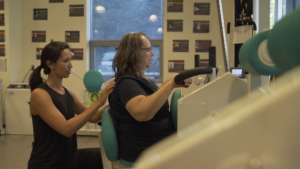
Exercise is now becoming more widely known as a treatment option for depression. Exercise may help treat depression because it helps to reduce pain and stress, causes the release of “feel-good” chemicals like endorphins, and helps to maintain mobility and quality of life.
Several different exercise-based programs have been studied for their effects on depression, after SCI. There is strong evidence that exercise helps to reduce the symptoms of depression after SCI.
Other treatments and strategies for depression
There are many other treatments used for depression. These treatments have not been studied extensively among people with SCI, so we do not know how effective they are for depression after SCI.
- Organized wellness and health promotion programs
- Living a healthy lifestyle (getting enough rest, eating healthy, and staying active)
- Participating in enjoyable activities
- Meditation and mindfulness training
- Massage therapy
- Acupuncture
- Light therapy
- Herbal and dietary supplements
- Brain stimulation therapies such as Transcranial Magnetic Stimulation (TMS)
Addressing other medical problems
There are many factors related to spinal cord injury that may contribute to depression, such as chronic pain, fatigue, sleep problems, medication side effects, and health problems like repeated infections. Treating these problems may be another strategy that can help manage depression.
