
How can autonomic dysreflexia be prevented?
Author: SCIRE Community Team | Reviewer: Andrei Krassioukov and Janice Eng | Published: 12 October 2017 | Updated: ~
The most effective way of managing autonomic dysreflexia is to prevent triggering it in the first place. People who get autonomic dysreflexia may be able to take steps to avoid triggering episodes, especially during procedures that are known to cause autonomic dysreflexia.
Learn to recognize autonomic dysreflexia and your triggers
In order to be able to manage episodes of autonomic dysreflexia, it is important to be able to recognize an episode and know what to do when it happens.
- Learn about and educate family members and friends about what autonomic dysreflexia is, how to recognize it, and what to do if it happens.
- Work with your health providers to identify your risk for autonomic dysreflexia, how to prevent it, and what to do if it happens.
- Carry an autonomic dysreflexia medical emergency card. These wallet-sized cards describes autonomic dysreflexia and its symptoms and treatments for use in an emergency – it can be used to quickly describe the condition and its treatment to your health providers.
Preventing autonomic dysreflexia from bladder problems
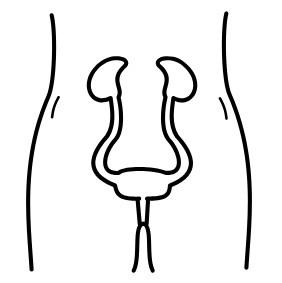
Bladder problems are the most common triggers of autonomic dysreflexia. Methods that may be used to prevent bladder problems from triggering autonomic dysreflexia include:
- Maintaining a bladder routine is the most important way to prevent problems like bladder distension and urinary tract infections.
- Preventing irritation during bladder procedures (such as catheterization) using anaesthetic medications (such as capsaicin or lidocaine).
- Managing reflex spasms of the bladder muscles (detrusor hyperreflexia) through methods including botulinum toxin (Botox) injections or sacral denervation (deafferentation) surgery.
- Bladder surgeries, such as bladder augmentation, may be used for some individuals with bladder dysfunction after an SCI and have been shown to help reduce episodes of autonomic dysreflexia.
Preventing autonomic dysreflexia from bowel problems

Bowel problems are another common trigger of autonomic dysreflexia. Methods that may be used to prevent bowel problems from triggering autonomic dysreflexia include:
- Maintaining a bowel routine and management (including fibre and fluid intake) to prevent problems like bowel distension, faecal impaction, and constipation.
- Preventing irritation during invasive bowel procedures or medical procedures (such as digital rectal stimulation) using anesthetics (such as lidocaine gel or lidocaine anal blocks).
- Bowel surgeries, such as colostomy or ileostomy, may be considered for people with chronic bowel problems that cause autonomic dysreflexia and other problems.
Preventing autonomic dysreflexia from skin problems
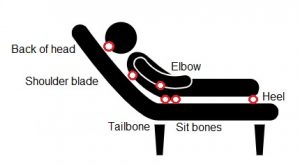
Pressure ulcers, ingrown toenails, and burns can all be additional causes of autonomic dysreflexia. Methods that may be used to prevent skin problems from triggering autonomic dysreflexia include:
- Maintain an effective skin care routine, which involves regular pressure relief, inspection of skin, and proper cleaning.
- Avoid wearing tight clothing and keep clothing and sheets smooth.
- Maintain regular foot care.
- Treat skin injuries and infections early.
Preventing autonomic dysreflexia from other causes
- Although individuals with SCI do not have sensation in areas where surgeries may occur, anesthesia should be used to avoid triggering autonomic dysreflexia during surgery.
- Anesthesia (spinal or epidural if possible) is needed with vaginal, Caesarean, or instrumental delivery to prevent autonomic dysreflexia during labour.
- Be aware that strong sexual stimulation can cause autonomic dysreflexia. Take precautions and be aware of your responses to stimulation.
